Interview
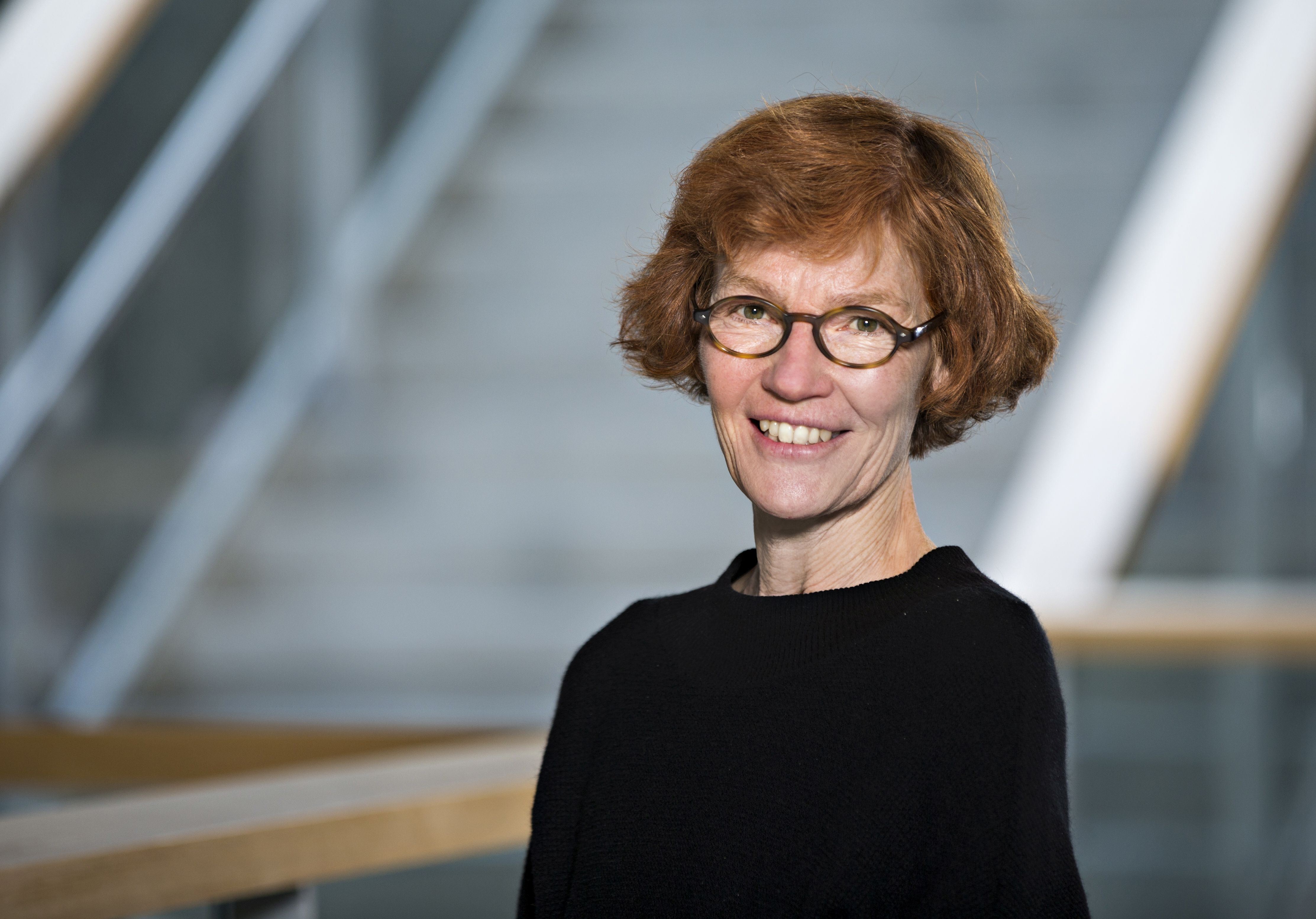
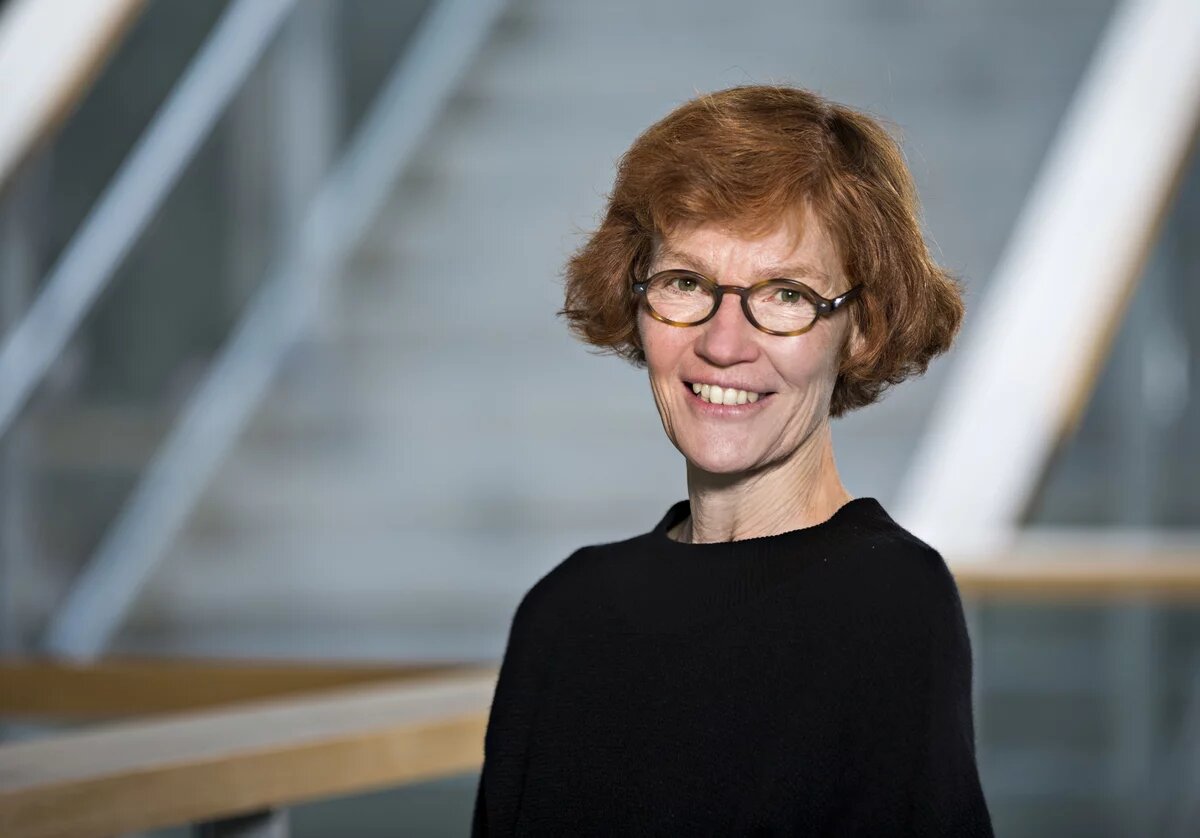
In 1975 the 21 year old activist Anne Lund designed the "Nuclear Power? No Thanks"–Logo. In the interview she told us about her personal experiences with nuclear power and the anti-nuclear movement.

In 1975 the 21 year old activist Anne Lund designed the "Nuclear Power? No Thanks"–Logo. In the interview she told us about her personal experiences with nuclear power, the anti-nuclear movement and about the origin of the now world famous smiling sun.
Lara Röscheisen: This April 26 is the 30th anniversary of the Chernobyl catastrophe. What do you connect or associate with that date? Can you still remember how you heard about the disaster and how your first reactions were?
Anne Lund: I cannot remember how I heard about it, but I can remember that I was very worried and concerned. Exactly the case we had all feared had happened. Even though I knew that there was a huge risk connected to the use of nuclear power, I didn’t walk around with fear the whole time. You might know it will happen, but you don’t think it really will, until it does. When the Chernobyl catastrophe happened, I was immediately very concerned because I knew about the risks and consequences. We told people about them when we participated in the nations campaign against Nuclear Power in Denmark. I worried about what would happen to the people who lived around the whole area in Chernobyl. The worst thing you could expect happened, and it was a disaster. I also remember small things like warnings about eating reindeer meat in northern Sweden and Norway due to winds and radioactive clouds, which infested the pasture of the reindeers with nuclear radiation.
1975 you were an activist in the Organisation for Information on Nuclear Power (OOA) and designed the now global known logo against nuclear power. How did you come up with the image of the famous smiling sun?
I worked with the idea of making a symbol for the movement for several months. It was a little bit like a reaction to most of the symbols used in these years, which only symbolized the fear of nuclear power. I thought it would be better to show a positive alternative, mainly the energy from the sun. The sun generates solar energy, but also symbolizes the weather forces, like wind and water, which determine the whole existence of the earth. So, that was the idea.
Especially the slogan "Atomkraft? Nej tak" gained increasing popularity and has been translated in over 50 different languages. How was the slogan developed?
I think now even in 60 languages! First of all, in Denmark in 1975 there was a lot of debate on nuclear power. The movement against nuclear power was growing and we wanted to make a symbol or a button, which everyone could use to show that they were against nuclear power. The anti-nuclear movement in Denmark started by asking people how secure or safe they felt with nuclear power. That was meant to get the people to think about whether they wanted nuclear energy or not. Thinking about the consequences, insecurities and other questions around the safety standards were central for the context of the debate in that time. That is the reason for the question mark in the slogan. The colours used in the logo, yellow and black, represent the hazard symbol of nuclear power. I put in an orange, smiling sun to change the danger into something else and into something positive. The slogan says “no” to nuclear power and declines it in a polite way. We wanted to talk and have a conversation about the issue without violence. So that was the idea to signalize our views in the slogan: talking on an informed basis and having a democratic discussion.
Do you still have the original drawings?
No, they are gone unfortunately. But there are buttons and pictures of the first drawings which are now in the National Museum of Denmark, in the old town.
How do you feel, when you see the logo in public or on the news?
It’s an amazing feeling. Many people made a lot of efforts and together we succeeded and changed something. It shows that the public opinion and the decisions made on an informed platform can change something. That was a very good feeling and I will have the feeling for the rest of my life. As an individual person, you might not be able to do so much, but when you work together you can.
Does it bother you, when people change something with the drawing or add their own creative ideas to the slogan?
In general, I think it’s good when people do and create things in their own way. As it is a symbol now for the movement, which was adapted by many countries, we need to be a little careful to make sure that the symbol is kept as a clear symbol. If it is used in too many different contexts, then it will not work as a symbol any longer. I don’t worry if it’s painted on a wall in a funny way and I don’t worry about changes in the face of the sun. But if it is used for something else, which isn’t used for the actual purpose or used in an opposite way like “nuclear power – yes please”, then it is wrong. We have made some efforts to keep it as a symbol for anti-nuclear movements and I think that is necessary.
Also, because of your contribution, nuclear power was turned down in Denmark. What could energy-activists learn from the anti-nuclear movement?
First of all, I think that activism is something very local and you have to know your local conditions and work with them. With this in mind I would say that we succeeded in keeping a discussion by insisting that this discussion was held on an informed base. That was the first thing: we informed about the issue. The second thing was the non-violent action in the movement, which we had of course learned from someone else: Ghandi. I think that non-violence in the anti-nuclear movement was very important because if there would have been violence, then there would have been a counter reaction. This non-violent movement permitted the opening for a dialogue on the topic for a democratic discussion.
Do you have one key message about nuclear power or the anti-nuclear movement?
I think that the resistance is important. It’s important not to set up nuclear power stations for several reasons. First of all, the immediate danger, second, of course, the problem of nuclear waste, and last, what was not so evident before but is clear and evident now: there is a risk of nuclear proliferation and nuclear terrorism. So I think the issue is still very present and nuclear energy should not be used any longer. There are so many other good alternatives which derive from durable energy. The last 30 years have shown what the use of wind and solar energy can do. It’s amazing. I’m amazed too!